How Our Programme Works
We've designed a straightforward approach that takes you from initial curiosity to practical expertise. Here's exactly what happens when you join us.
Initial Assessment
You start with a detailed skills audit. We look at your current experience, career goals, and learning preferences. This isn't a test — it's a conversation that helps us tailor everything that follows.
Customised Learning Path
Based on your assessment, we create a structured programme just for you. Some people need foundational work. Others can skip ahead. The path adapts as you progress.
Active Learning Phase
You engage with practical modules, real-world scenarios, and hands-on projects. The content changes with current market conditions — what worked last year might not be relevant now, so we update constantly.
Guided Practice
Theory only gets you so far. You work through exercises that mirror actual professional situations. We provide feedback on every submission, pointing out what's working and what needs adjustment.
Portfolio Development
As you complete projects, you build tangible proof of your capabilities. This portfolio becomes your strongest asset when seeking opportunities. We help you present it effectively.
Career Transition Support
When you're ready, we shift focus to career preparation. Interview techniques, CV optimisation, networking strategies — the practical elements that help you move forward with confidence.

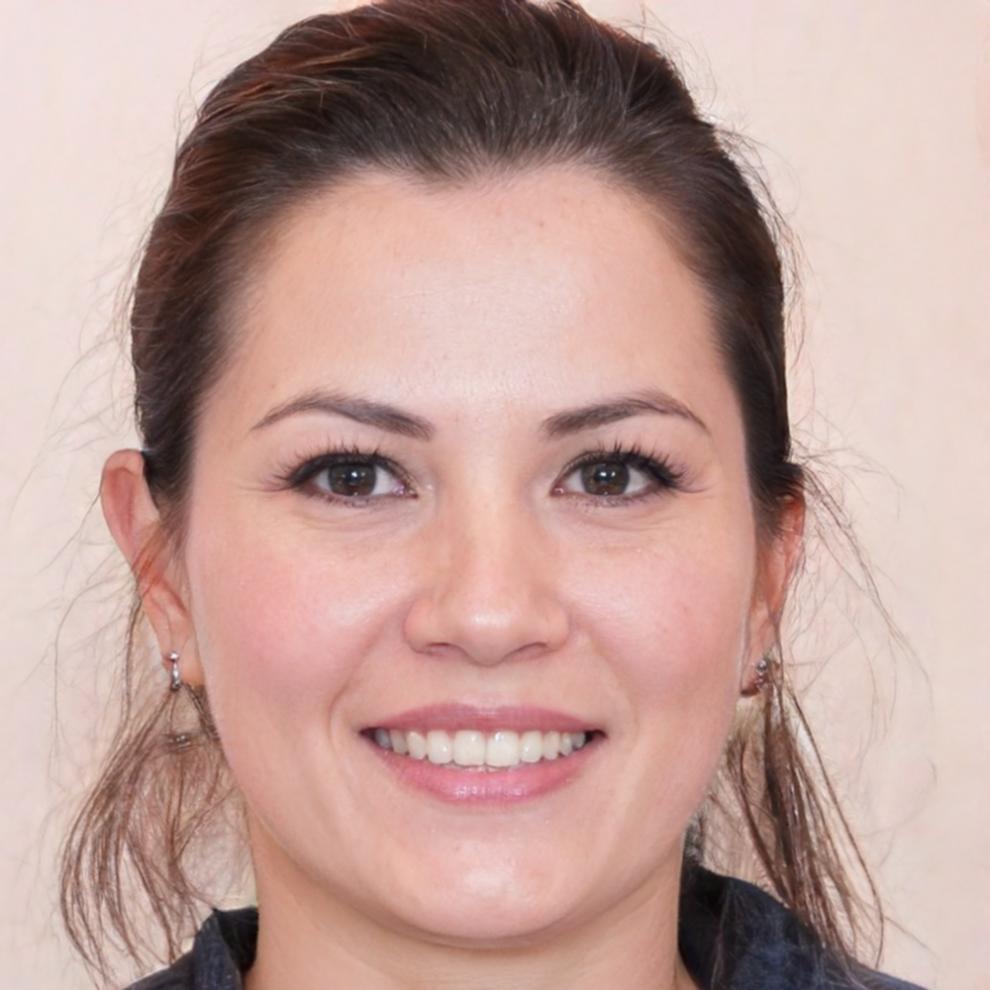
Amelia's Journey
Starting Point
Amelia came to us with retail management experience but wanted to transition into data analysis. She had basic Excel knowledge and was comfortable with numbers, but the technical side felt intimidating.
The Challenge
The biggest hurdle wasn't learning new tools — it was overcoming the belief that she'd started too late. At 34, she worried that younger candidates with formal degrees would always have an advantage.
"I remember the moment it clicked. I was working on a retail trends project, analysing seasonal patterns in my old industry. Suddenly, all those years of inventory management made sense in a completely different context."
Eight Months Later
She completed our programme in May of last year. The portfolio she built included three substantial projects, each demonstrating different analytical approaches. Her retail background turned out to be an asset — she understood customer behaviour in ways that purely technical candidates didn't.
Today, she works as a junior analyst for a fashion retailer. It's not the highest-paying role in the industry, but it's exactly where she wanted to be. And she's progressing steadily.

Saskia's Experience
Where She Started
Saskia had a degree in psychology but found herself working in customer service. She wanted to move into UX research but didn't know where to begin. Most job postings mentioned tools and methodologies she'd never encountered.
The Learning Process
What surprised her most was how much of her existing knowledge transferred. Understanding human behaviour — which she'd studied for years — formed the foundation. The technical aspects were just new ways of applying familiar concepts.
She struggled with the technical writing requirements at first. Academic writing and professional research documentation follow different conventions. It took her three attempts to get her first case study right, but each revision taught her something specific about industry expectations.
"The feedback was direct but never discouraging. I'd submit work, get detailed notes on what needed improvement, and understand exactly how to fix it. That iterative process built my confidence more than anything else."
Current Situation
Saskia finished the programme in autumn and spent two months applying for positions. She's now a UX researcher at a mid-sized tech company. The role involves user interviews, usability testing, and synthesising findings — exactly what she trained for.
She still consults our resources occasionally. That's normal. Learning doesn't stop when the formal programme ends.